
big makeup mirror with lights
Understanding Thread Pin Gauges A Comprehensive Overview In the world of precision engineering, the importance of ensuring that threaded components fit together seamlessly cannot be overstated. This is where thread pin gauges come into play. These tools are essential for the measurement and inspection of internal and external threads, helping to maintain quality standards in various manufacturing processes. In this article, we delve into the details of thread pin gauges, their functions, types, and significance in precision machining. What is a Thread Pin Gauge? A thread pin gauge is a type of precision measuring tool designed to verify the profile and dimensions of threaded components. It consists of pins that are machined to specific thread forms and sizes. When used correctly, these gauges can assess whether a particular thread conforms to the required specifications, thus ensuring compatibility between different threaded parts. Types of Thread Pin Gauges There are various types of thread pin gauges, each serving a unique purpose in the inspection process 1. Go and No-Go Gauges These are the most common types of thread pin gauges. The Go gauge should fit into the thread without any resistance, while the No-Go gauge should not fit. This binary inspection facilitates quick checks on whether the threads meet the required standards. 2. Plug Gauges Designed for both internal and external threads, plug gauges can help determine whether the threads are within tolerances. Similarly to Go and No-Go gauges, these are utilized in pairs to assess the correctness of threaded parts. 3. Ring Gauges Typically used to check external threads, ring gauges encompass a circular opening that must fit securely over the threaded part under inspection. This aids in determining if the threads are manufactured to precise specifications. 4. Intermediate Gauges These gauges serve specialized functions to check threads that fall between standard sizes. They are especially useful for custom or less common thread dimensions. The Importance of Thread Pin Gauges Thread pin gauges play a crucial role in ensuring the accuracy and precision of threaded components . Here are some key reasons why they are indispensable in manufacturing thread pin gauge 1. Quality Control Consistent use of thread pin gauges helps maintain high-quality standards. By regularly inspecting threads, manufacturers can reduce defects and ensure that every component meets the stringent requirements of their applications. 2. Interchangeability In applications where parts need to interchange seamlessly, such as in machinery and automotive components, thread pin gauges ensure that parts manufactured by different suppliers can fit together without issues. 3. Cost Efficiency By identifying manufacturing defects early, thread pin gauges help in reducing waste and rework costs. This ultimately leads to increased productivity and profitability within a manufacturing environment. 4. Standard Compliance Many industries are subject to standards such as ISO or ASME, which mandate specific tolerances for threaded components. Using thread pin gauges allows manufacturers to comply with these standards, thereby avoiding potential liabilities and enhancing product reliability. Best Practices for Using Thread Pin Gauges To maximize the effectiveness of thread pin gauges, it’s essential to follow best practices 1. Regular Calibration Thread pin gauges should be calibrated regularly to ensure their measurements remain accurate. Any deviations can lead to improper assessments of threaded components. 2. Proper Handling and Storage Due to their precision nature, thread pin gauges should be handled carefully and stored in suitable conditions to prevent damage. 3. Training and Familiarization Operators should be trained to understand how to use thread pin gauges properly. Familiarity with the specific types of gauges and their functions is vital for effective inspections. Conclusion In conclusion, thread pin gauges are vital tools in the sphere of precision engineering. They are integral to quality control processes, helping manufacturers maintain high standards and ensure interchangeability of threaded components. By investing in high-quality gauges and adhering to best practices in their usage, manufacturers can enhance their production efficiency and product reliability. As industries continue to advance and demand for precision components increases, the role of thread pin gauges will remain critical in supporting manufacturing excellence.
about
big makeup mirror with lights
Understanding Thread Ring Gauge Standards Thread ring gauges are essential tools used in manufacturing and quality control to ensure the precision of threaded components. These gauges measure the external threads of a screw or bolt, confirming their compliance with specified dimensions and tolerances. As industries rely on high precision for functionality and safety, thread ring gauge standards play a crucial role in ensuring uniformity and reliability in threaded products. What is a Thread Ring Gauge? A thread ring gauge is a cylindrical gauge designed to inspect external threads on fasteners like screws and bolts. It has two main types the Go gauge and the No-Go gauge. The Go gauge checks if a thread fits properly, signifying that it is within the specified limits. Conversely, the No-Go gauge ensures that the thread does not exceed maximum limits, indicating that the part is defective if it passes through. This dual function ensures both acceptance and rejection criteria are met, promoting quality in production. Importance of Standards in Thread Ring Gauges Standards for thread ring gauges are crucial because they provide uniformity in measurements across different manufacturers and industries. The most recognized standards include those set by the International Organization for Standardization (ISO), the American National Standards Institute (ANSI), and the American Society of Mechanical Engineers (ASME). These organizations outline the specifications for thread dimensions, tolerances, and testing methods. Using standardized gauges ensures consistency, accuracy, and compatibility of threaded products. When industries adopt these standards, they benefit from reduced errors and improved communication between suppliers and manufacturers, facilitating smoother production processes and minimizing costly rework. Types of Thread Standards thread ring gauge standard Thread standards can vary based on the region and application. For instance, metric threads are widely used in Europe and many other parts of the world, adhering to ISO standards. These threads are defined by their diameter and pitch (distance between threads). On the other hand, Unified National threads (UNC and UNF) are more common in the United States. Each of these threads has specific ring gauge standards that accompany them, dictating their tolerances and fitting characteristics. The thread form itself is another consideration. The most common types include the triangular profile of ISO and ANSI threads, along with trapezoidal and square threads used for specific applications. Each of these forms has inherent characteristics affecting how they engage with corresponding components, emphasizing the need for precise gauging. Calibration and Maintenance of Thread Ring Gauges To maintain accuracy, thread ring gauges must be regularly calibrated and properly maintained. Calibration involves comparing the gauge measurements against a standard reference. It is crucial to ensure that the gauges remain within prescribed tolerances to ensure continued quality assurance. Proper storage is equally important. Thread gauges should be kept clean and free from moisture to avoid corrosion and wear. Additionally, they should be handled carefully to prevent accidental damage. Conclusion In conclusion, thread ring gauge standards are vital for quality assurance in industries that rely on cylindrical fasteners. The structured approach provided by these standards fosters accuracy and consistency across manufacturing processes. As technology and manufacturing processes evolve, so too will the standards for thread ring gauges, requiring industries to stay informed and ensure compliance to maintain quality. The integration of these standards not only promotes precision but also enhances safety, reliability, and customer satisfaction in an increasingly competitive market.
-

High quality industrial productsagement

High quality industrial products
View Details -

Meet the diverse needs of customers

Meet the diverse needs of customers
View Details -

Strict quality control

Strict quality control
View Details -

Top raw materials

Top raw materials
View Details -

Trusted supplier

Trusted supplier
View Details
Our application

news and information
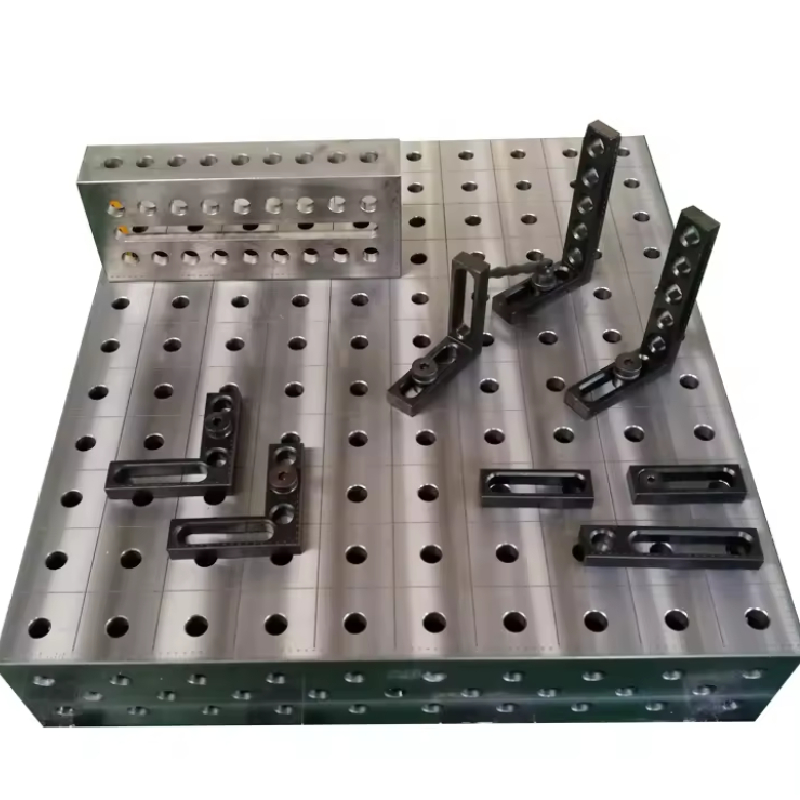
Valvola di ritegno libera
Valvole di Chiusura Un Elemento Fondamentale nelle Infrastrutture Industriali Le valvole di chiusura
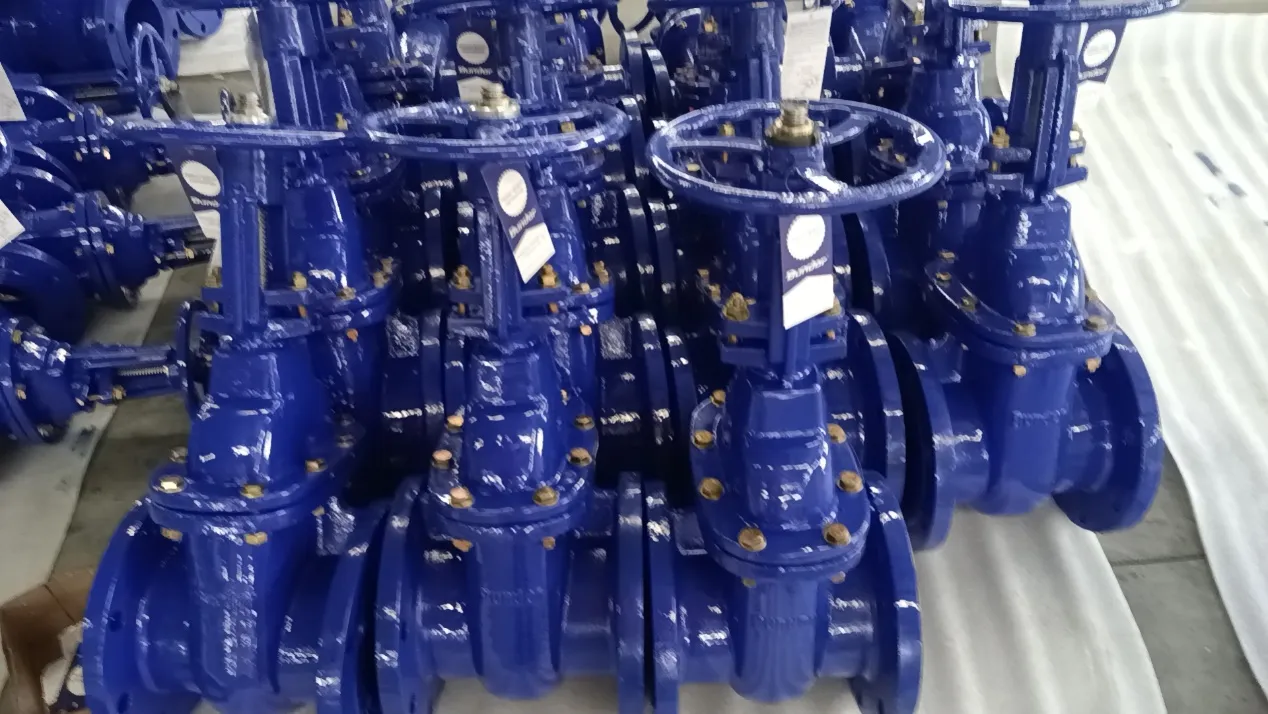
Various Types of Water Valves and Their Applications in Plumbing and Industrial Systems
Types of Water Valves An Overview Water valves are crucial components in plumbing and irrigation sys
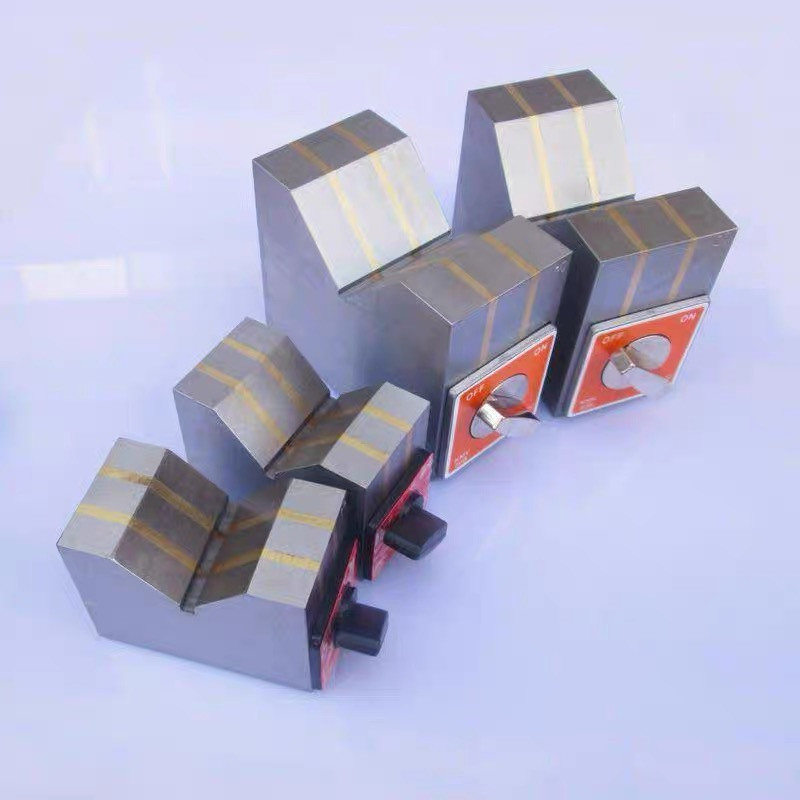
Water Hose Shutoff Valve for Easy Control and Efficient Watering Solutions
The Importance of a Water Hose Shut-Off Valve A Garden Essential In the world of gardening and outdo
 English